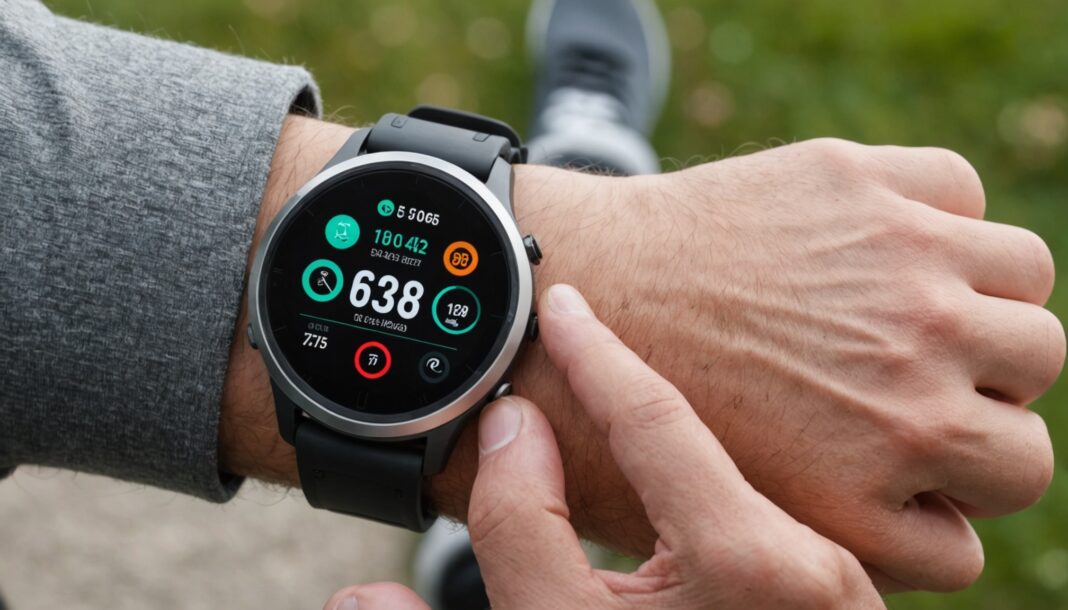
After several years of uninterrupted growth, the smartwatch market has just posted its first quarterly decline. In the second quarter of 2026, global shipments fell by about 4% year over year, an unprecedented figure since this market took off. Yet on the ground, sports enthusiasts have never been so numerous in wearing one on their wrist. This paradox deserves a closer look.
A market that's slowing down, but not for the reasons you'd expect
Analysts expect global growth to be limited to around 1% for all of 2026, far from the double-digit rates seen just a few years ago. The cause isn't consumer disinterest in wrist-worn technology, but rather the opposite: current models already largely satisfy their users, who no longer feel the need to switch devices as often as before.
This qualitative saturation is changing the nature of competition between manufacturers. New releases no longer focus on piling up gimmicky features, but on sensors capable of cross-referencing multiple data points at once — heart rate, skin temperature, sleep quality, training load — to generate recommendations that are genuinely useful day to day, rather than just a stack of numbers.
Sports: the unchanged driver of demand
It's precisely on the sports front that momentum remains strongest. In France, a growing share of athletes now wear a smartwatch during training, with sales climbing sharply in this specific segment, against the global trend. Sleep and recovery tracking plays an increasingly central role in this use, as both are now seen as inseparable from good physical performance.
This shift toward usefulness also shows up in how brands present their products: fewer sweeping promises, more arguments centered on health and prevention. A positioning that stands in sharp contrast to the previous generation of connected devices, often bought on impulse before ending up forgotten in a drawer without ever finding a real use.
Toward a watch designed as a health tool
This evolution ties into a broader trend already identified elsewhere: the idea that sleeping well matters just as much as training well for lasting progress. Manufacturers have clearly taken note, placing sleep at the center of their sales pitch rather than treating it as a minor add-on feature.
The same reasoning is gaining ground across other age groups. Consumer health-tracking devices are gradually establishing themselves as prevention tools, a logic also found in the rise of AI-assisted health and fitness programs for seniors. In both cases, the device is no longer a gadget but a long-term tracking companion.
Frequently Asked Questions
Why are smartwatch sales slowing down in 2026?
Mainly because recent models already satisfy their users: the replacement cycle is getting longer, without this reflecting any loss of interest in the technology itself.
Is the sports market affected by this slowdown?
No, quite the opposite: sales linked to sports activity are growing, driven by rising interest in sleep and recovery tracking.
What's changing in the new generations of smartwatches?
Manufacturers are now focusing on sensors capable of cross-referencing multiple physiological data points to offer useful recommendations, rather than adding more gimmicky features.
Sources
- Blog Nouvelles Technologies — Marché des smartwatches : pourquoi les ventes reculent ?
- Orange Tech — Le marché de la smartwatch souffre d'un mal bien précis
- Global Market Insights — Smartwatch Market Size & Share, Growth Forecasts
Profil de l'auteur
Derniers articles
 DIY & Troubleshooting18 November 2026Dexter Sander Recall 2026: What Leroy Merlin and Weldom Customers Need to Know Before Using It
- Restaurants, Drinks & Food18 November 2026Flexitarianism in France: Less Meat on the Plate, but Not for the Reasons You'd Think
- Home Appliances & Equipment18 November 2026Washing Machine, Oven, Dishwasher: Which Brand to Choose for Appliances That Last?
- Nutrition, Diet & Weight Loss18 November 2026Pancreatic Fat: The Diet That May Help Reduce It




Trending now on legal streaming
FilmThe Hunger Games
SeriesThe Lord of the Rings: The Rings of Power
This article was written with the help of artificial intelligence. Editorial policy
Table of Contents