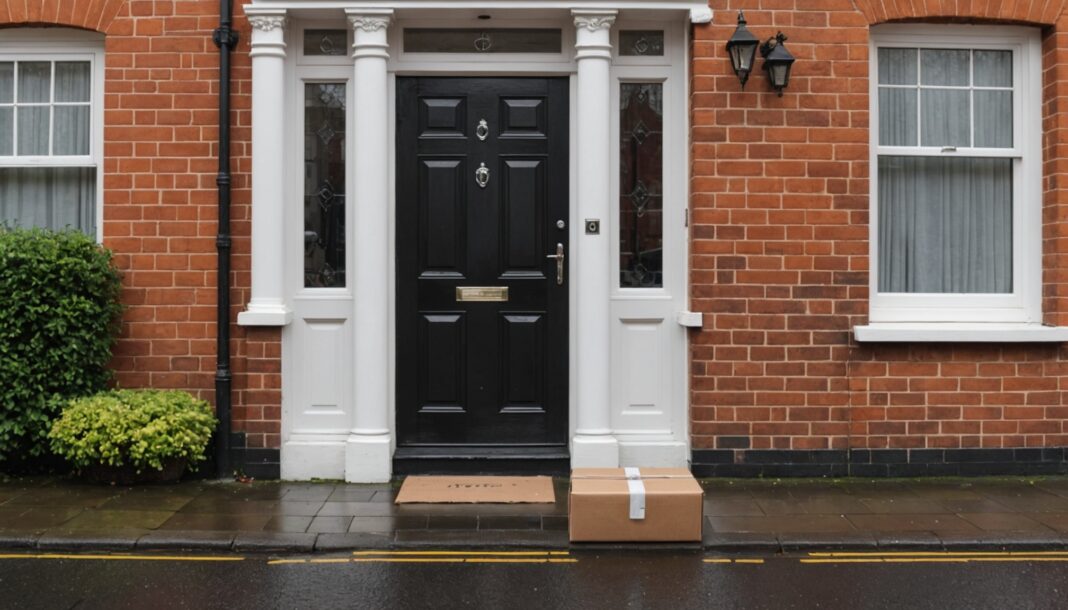
A parcel that never turns up, a driver who rings once and is gone, a box balanced on a wheelie bin in the rain: doorstep delivery has become one of the most common sources of friction in online shopping. Yet most shoppers chase the wrong company, quote the wrong rules and end up losing money that the law says they should get back. Here is what your delivery rights actually are, and how to use them.
The scale of the problem
Citizens Advice has been tracking doorstep delivery for several years, and its most recent parcel league table, published in November 2025, found that 37% of people had a problem with their most recent delivery — around 15 million people, the highest figure the charity has recorded. The survey, carried out by Opinium among 8,000 UK adults between late August and late September 2025, pointed to three dominant complaints: the driver leaving before the customer could reach the door (29%), parcels left somewhere insecure (24%) and parcels arriving late (24%).
Getting the problem fixed is often the harder part. Almost half of those affected — 47% — hit a second obstacle while trying to resolve the first. Accessibility scored worst of all, with roughly 37% of people who have an accessibility requirement still unable to tell delivery firms what they need. In the charity's ranking, Royal Mail came top with 3.25 stars out of five, ahead of Amazon Logistics on 3, with DPD and Evri on 2.25 and Yodel last on 2. Parliament has taken an interest too: the House of Lords debated the quality and reliability of parcel delivery services in September.
The rule almost everyone gets wrong
When a parcel goes astray, the instinct is to ring the courier. In law, that is the wrong door to knock on. Under the Consumer Rights Act 2015, the goods remain at the retailer's risk until they come into your physical possession — or the possession of someone you have nominated, or a safe place you yourself have specified. The courier is the retailer's subcontractor, not yours. You did not choose it, you have no contract with it, and the shop cannot hand you its phone number and call the matter closed.
That has a practical consequence worth remembering: if the shop's own tracking says “delivered” but nothing is there, the burden is not on you to prove a negative. Ask the retailer for proof of delivery, state plainly that you have not received the goods, and ask for a replacement or a refund. The same logic covers a parcel left in a porch of its own accord, dropped over a fence or handed to a neighbour you never named.
Deadlines, refunds and what counts as “essential”
- 30 days is the default. If no delivery date was agreed, the Act gives the retailer up to 30 days to deliver. Miss it, and you can set a new, reasonable deadline — and cancel for a full refund if that too is missed.
- A date you were promised binds the shop. If the seller advertised next-day or named-day delivery, that is the agreed date, not 30 days.
- Say if the timing is critical. Where delivery by a particular day is essential — a birthday, a wedding, a holiday departure — say so in writing when you order. If it then arrives late, you can cancel immediately rather than granting a second chance.
- Refunds are money back, not credit. A cancelled order means a refund by the original payment method. A gift card or store credit is something you may accept, never something you must.
- Card and payment routes are a backstop. If the retailer stalls or has gone under, chargeback through your bank or, for purchases over £100, a Section 75 claim against the card provider are the next steps.
How to complain so it works
Keep it short and written. Name the order number, the date, what was promised and what happened, then state the outcome you want and a deadline — 14 days is reasonable. Email or the retailer's web form beats a phone call, because it leaves a record. If the retailer refuses, your options narrow: where the carrier is Royal Mail an independent ombudsman scheme can look at the case, but for most other carriers no such scheme exists — which is precisely why Citizens Advice has been pressing Ofcom to extend independent dispute resolution across the whole sector. Failing all that, the small claims route exists in every UK nation, though the procedure and the limits differ between England and Wales, Scotland and Northern Ireland.
One habit saves most of the trouble: set your safe place and delivery preferences with each carrier before the busy season, not during it. The same forward planning applies to the other household admin people put off — from checking whether an extended warranty is worth paying for to understanding what the landline switch-off means for your home. And if delivery grumbles feel more widespread than they used to, the national mood is measurable: the monthly consumer confidence index is one way of reading how households feel about spending at all.
Frequently asked questions
My tracking says delivered but there is no parcel. Who do I contact?
The retailer, not the courier. Until the goods are in your hands or in a safe place you nominated, they are the retailer's responsibility. Ask for proof of delivery and request a replacement or refund.
Can a shop refuse a refund because the courier left the parcel with a neighbour?
Not if you never nominated that neighbour. A delivery to someone you did not appoint, or to a place you did not specify, does not count as delivery to you.
How long does a retailer have to deliver my order?
Thirty days from the order, unless a different date was agreed or advertised — in which case that date applies. After a missed deadline you can set a new reasonable one and cancel for a full refund if it is missed again.
Sources
- Citizens Advice — Parcel problems reach record as 15 million people are let down on the doorstep
- House of Commons Library — Problems with parcel deliveries
- House of Lords Library — Quality and reliability of parcel delivery services
Profil de l'auteur
Derniers articles
 E-commerce, Shopping & Stores12 October 2026Lost, late or left on the doorstep: your parcel delivery rights
- Tech & Multimedia2 October 2026Mid-contract price rises: why pounds and pence can cost you more
- Electricity, Gas & Energy22 September 2026Standing charges: what you pay before using a single unit of energy
- Nutrition, Diet & Weight Loss31 August 2026Full-fat cheese : the surprising link to a reduced risk of dementia




This article was written with the help of artificial intelligence. Editorial policy
Table of Contents