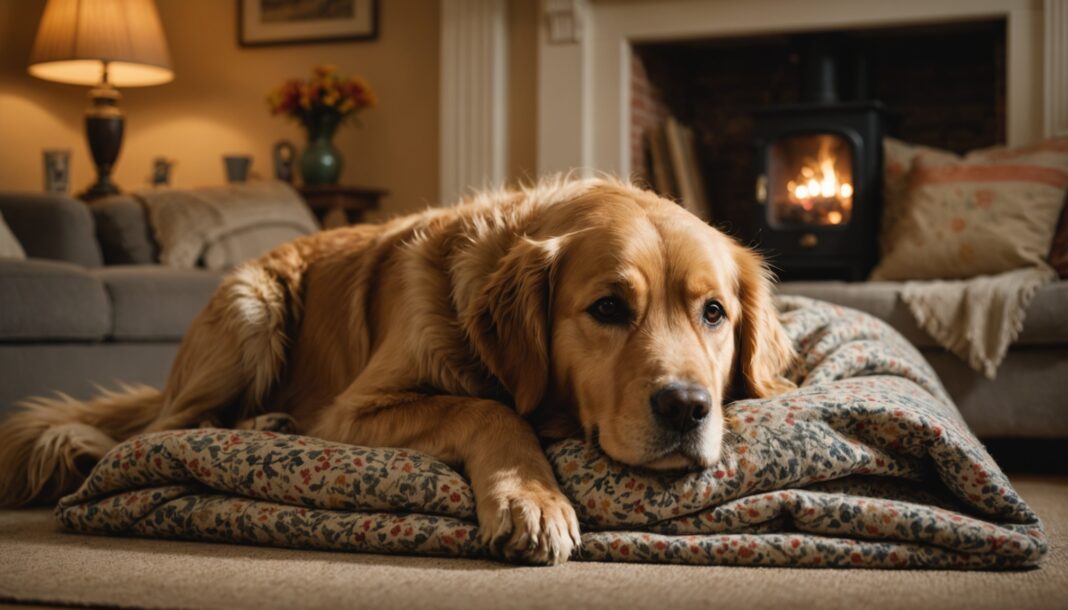
Every autumn, the first bangs arrive well before 5 November. Fireworks and pets make an uneasy mix: according to the PDSA's Animal Wellbeing (PAW) Report, 41% of dog owners say their dog is afraid of fireworks, roughly 4.1 million dogs across the UK. With registered shops allowed to sell fireworks from 15 October, the coming weeks are the moment to prepare, not the night itself.
What the law allows in England and Wales
In England and Wales, you must not let off fireworks between 11pm and 7am. There are four exceptions: on Bonfire Night the cut-off moves to midnight, and on New Year's Eve, Diwali and Chinese New Year it moves to 1am.
Sales are restricted too. Registered sellers can only trade between 15 October and 10 November, between 26 and 31 December, and in the three days before Diwali and Chinese New Year; outside those windows, only licensed shops can sell fireworks. You must be 18 or over to buy the “adult” fireworks sold to the public (categories F2 and F3), and category F4 products are reserved for professionals.
Illegal sale or use can lead to an unlimited fine and up to six months in prison, and the police can issue a £90 on-the-spot fine. Scotland applies tighter rules under its own legislation, including limits on the days when the public may let off fireworks, and in Northern Ireland a licence is needed to buy or use most fireworks.
A noise limit that may be about to change
Consumer fireworks sold in the UK can currently reach 120 decibels. A government consultation on fireworks and pyrotechnics, which closed on Wednesday 7 October, asked whether that ceiling should stay or be lowered to 110, 100 or 90 decibels, with the loudest products kept for professional displays. Animal welfare charities, the RSPCA among them, urged pet owners to respond. The government has not yet published its response, so for this season the 120-decibel limit still applies.
Why the bangs hit animals so hard
Dogs and cats hear higher frequencies and fainter sounds than we do, and they cannot know the noise is harmless. A frightened dog may pant, pace, tremble, hide or try to escape; a cat will often bolt and stay hidden for hours. Rabbits in outdoor hutches can freeze in fear, and horses can injure themselves trying to flee a field or stable, so anyone who keeps one should sort out stabling, bedding and the right equipment before the first local display.
Escape is the biggest practical risk. Pets that bolt in panic can end up miles from home, one more reason to keep microchip details up to date, a theme at the heart of the new welfare and traceability rules adopted on the other side of the Channel.
Six weeks of preparation: what the vets recommend
The PDSA's advice is to start at least six weeks before Bonfire Night. The method is gradual desensitisation: play recorded firework sounds at a very low volume while your pet is relaxed, reward calm behaviour, and only raise the volume over days and weeks as the animal stays settled. Rushed, it backfires.
- Build a den: a covered crate or a blanket-lined space under a table, away from windows, with familiar bedding and a worn item of your clothing.
- Walk dogs before dusk and bring cats indoors before dark, with the cat flap locked.
- Close the curtains, switch the lights on and leave the radio or television playing to mask the bangs.
- Move hutches indoors or into a garage, or cover them with thick blankets while leaving room for ventilation.
- Stay calm yourself: comfort your pet if it seeks you out, but never force it out of hiding.
If your pet already shows marked fear, speak to your vet now rather than in early November: treatments may include medication or a referral to an accredited animal behaviourist. And never leave a frightened animal shut in a car to “get away” from a display. A panicking dog in a confined space is a danger to itself, a point that echoes the rules on dogs left in cars being tightened in several European cities.
On the night and the morning after
Keep pets inside once it gets dark, secure doors, windows and garden gates, and leave the dog at home rather than taking it to a display. The next morning, check the garden for spent fireworks before letting animals out: cardboard tubes, sticks and wires can be chewed or swallowed. And remember that with Diwali, Bonfire Night, New Year's Eve and Chinese New Year all close together, the bangs can stretch from mid-October well into the new year, so the habits you build now will serve your pet for months.
Frequently asked questions
When can shops sell fireworks in England and Wales?
Registered sellers can trade from 15 October to 10 November, from 26 to 31 December, and in the three days before Diwali and Chinese New Year. Only licensed shops may sell outside those periods, and buyers must be 18 or over.
What time must fireworks stop at night?
In England and Wales, not between 11pm and 7am, except on Bonfire Night (until midnight) and on New Year's Eve, Diwali and Chinese New Year (until 1am). Scotland and Northern Ireland have their own, stricter rules.
Is it too late to prepare my dog if it is already frightened?
No. The PDSA recommends starting at least six weeks ahead, but even a shorter run of low-volume sound training, a safe den and a conversation with your vet can make a real difference.
Sources
- GOV.UK – Fireworks: the law
- PDSA – Vet charity warns fearful pets face fireworks misery
- RSPCA – Help us change fireworks laws to protect animals
Profil de l'auteur

Derniers articles
 Dog, Cat & Animals9 October 2026Fireworks and pets: how to get your dog or cat through Bonfire Night
- Business & Startups28 September 2026Side hustle or newly self-employed? Why 5 October matters to HMRC
- Development, Digital Marketing & SEO29 August 2026SEO : Google suspends its sanctions against the SEO parasite in Europe
- Weddings & Special Occasions29 August 2026Destination wedding: why French couples stay at home




This article was written with the help of artificial intelligence. Editorial policy
Table of Contents