



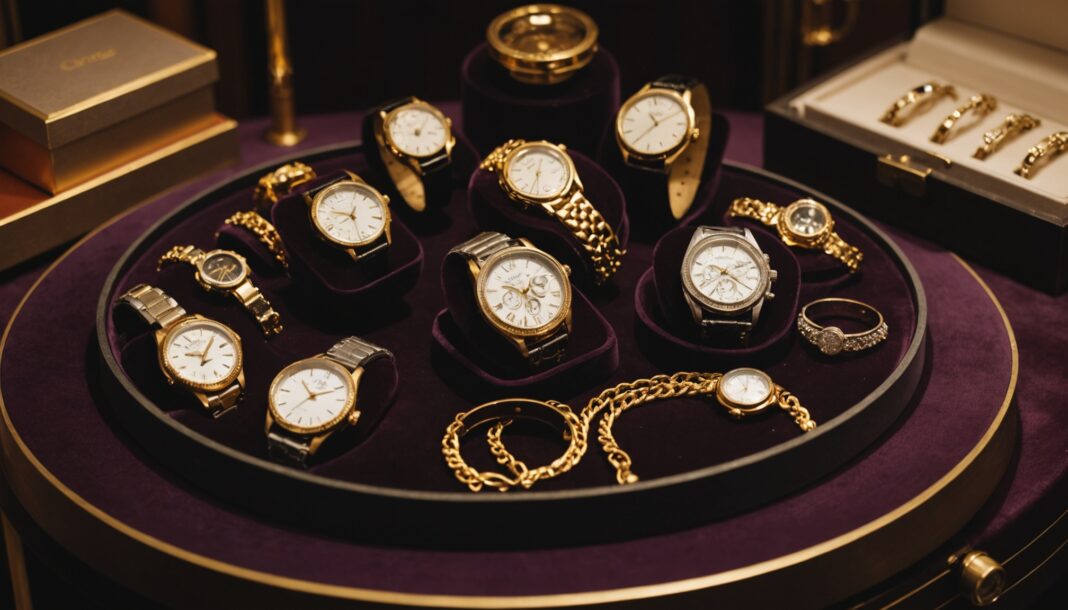
As the year-end holidays approach, more and more people in France are turning to the secondhand market to buy or give jewelry and watches, rather than going the new-purchase route. According to an Interencheres study conducted with YouGov among 1,001 people representative of the French population, 4 out of 10 French people — roughly 22 million people — have already bought a secondhand piece of jewelry or are considering doing so soon.
A habit that's taking hold, driven by younger generations
The phenomenon isn't limited to buying for oneself. The same study shows that 65% of French people say they're willing to give a secondhand item to a loved one, a figure that climbs to 82% among 18-24 year-olds. It's a cultural shift that's also reaching jewelry and watchmaking, two sectors that, according to another report on how the jewelry market is holding up against the ready-to-wear crisis, retain a more stable perceived value than clothing fashion, which encourages both reselling and buying secondhand.
How to spot a reliable piece without getting scammed
The rise of secondhand shopping naturally comes with greater buyer vigilance against the risk of counterfeits. Industry professionals recommend a few simple checks before any secondhand purchase:
- Check for hallmarks on gold and silver pieces, stamped by the assay office or the manufacturer.
- Ask for an invoice or a certificate of authenticity, especially for a brand-name watch.
- Favor specialized platforms or jewelers who appraise each piece before putting it up for sale, rather than an anonymous classified ad.
- Compare the listed price to the secondhand market value for the same reference.
For more on choosing a reputable platform, a detailed comparison of secondhand sites lets you buy pre-owned luxury items without running into a counterfeit.
Selling before buying: the other side of the market
The secondhand market works both ways. Many people in France first sell a piece they inherited or no longer use — a ring, a gold chain, an old watch — before putting that money toward a new purchase for the holidays. Between auctions, neighborhood jewelers, and gold buyback services, the options for selling old jewelry and watches aren't all equal in terms of the price obtained and how fast the sale happens, and choosing the right channel often makes the difference on the final amount.
A growing sector, confirmed by industry professionals
On the industry side, the Francéclat barometer, conducted by OpinionWay, confirms this momentum: the likelihood of buying jewelry and watches is rising year over year. This movement fits into a broader secondhand trend: according to the Iligo barometer, 66% of French people now buy or sell secondhand products, mainly for economic and practical reasons. Jewelry and watchmaking, long left out of this wave, are now fully part of it.
Frequently Asked Questions
Does secondhand shopping also apply to major watch brands?
Yes, the secondhand watch market covers both affordable French watches and models from well-known brands, provided their authenticity is verified before purchase.
Does a secondhand piece of jewelry lose value as a gift?
No, according to the Interencheres x YouGov study: a majority of French people say they're willing to give a secondhand item as a gift, a share that's especially high among younger people.
Where should you avoid buying secondhand jewelry or a watch?
Classified ads with no appraisal or invoice carry the highest risk of counterfeits; specialized platforms and jewelers who authenticate each piece remain the safest options.
Sources
Journal du Luxe — Le magazine des enchères (Interencheres) — Francéclat
Profil de l'auteur
Derniers articles
 Development, Digital Marketing & SEO27 November 2026Google Centralizes Transparency on Rankings and AI
- Law, Legal Services & Justice27 November 2026Right to Repair: What the New Law Really Means for Consumers
- Jewelry, Watch & Accessories27 November 2026Secondhand Jewelry and Watches: The New Go-To for French Shoppers Before the Holidays
- DIY & Troubleshooting26 November 2026Data Leak at a Home Renovation Broker: Fake Contractors Are Getting More Convincing




Trending now on legal streaming
FilmHope
SeriesLupin
This article was written with the help of artificial intelligence. Editorial policy
Table of Contents

