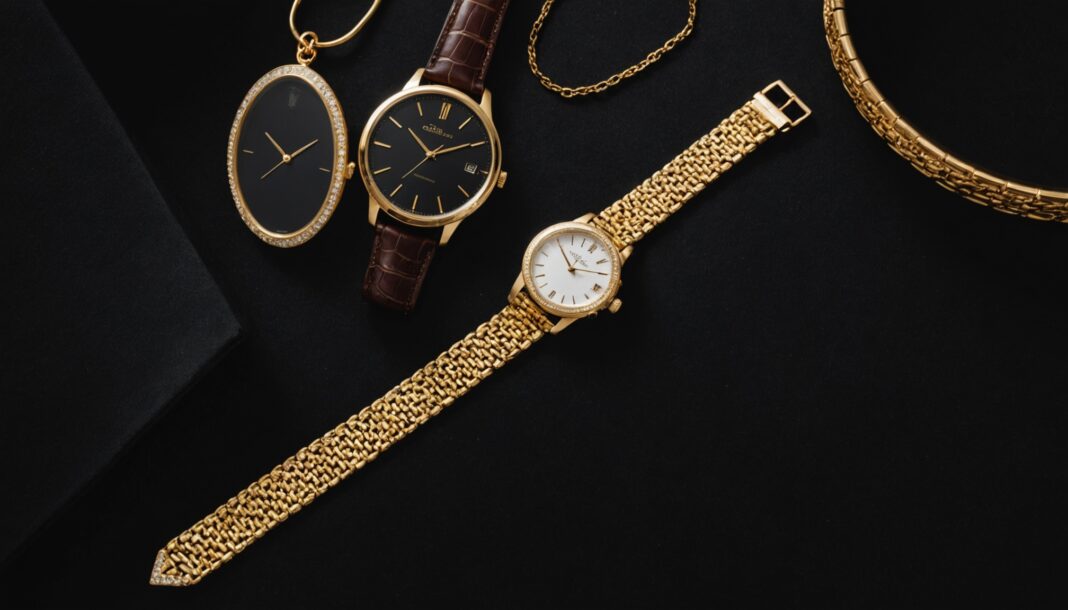
While ready-to-wear apparel struggles to catch its breath, another segment of the fashion industry is showing remarkable health: fine jewelry. According to an analysis by the consulting firm McKinsey & Company for The Business of Fashion, jewelry sales are now growing nearly four times faster than apparel sales. In France, the industry confirms this momentum with figures that surpass pre-pandemic levels.
According to the professional committee Francéclat, French watchmaking and jewelry production reaches approximately €6.6 billion, up year over year, while exports exceed €11 billion. Fine jewelry shipped abroad has surpassed pre-2020 levels for the second consecutive year, driven in particular by gold and platinum. The industry now employs around 15,000 people in France, a figure that is slightly rising, with new workshops developing in Bourgogne-Franche-Comté and Auvergne-Rhône-Alpes.
A Sector Betting on Value Rather Than Volume
The paradox is only apparent. Amid pressure on purchasing power, consumers are buying less but better: a piece of gold jewelry is seen as both a style statement and a safe-haven asset, in a market where the price of the metal directly affects the prices displayed in stores.
This value-driven logic also shows up in this season's aesthetic choices: minimalist designs centered on a single stone set in a fine metal dominate the collections, alongside a notable comeback of brooches and antique jewelry. Yellow gold remains the most sought-after metal, and colored gemstones — emeralds, sapphires, rubies — are gaining ground over classic diamonds.
Traceability, a New Selling Point
Another notable shift: the demand for ethical traceability of precious materials. A growing share of French buyers want to know the origin of the gold or gemstones before purchasing, an expectation that an increasing number of jewelry houses are addressing by communicating about their supply chains. The rise of customization points in the same direction: one-of-a-kind pieces, engravings, and made-to-order creations appeal to a clientele seeking meaning rather than accumulation.
The watchmaking segment follows a more mixed trajectory. While high-end watchmaking continues to grow on the export market, smartwatches are seeing sales slow down, while collaborations between historic brands, such as the one recently unveiled between Swatch and Audemars Piguet, show the industry's desire to reach a wider audience without giving up its premium image.
Key Takeaways
- France's fine jewelry industry surpasses its pre-2020 levels, driven by exports.
- Jewelry sales are growing significantly faster than apparel sales.
- Yellow gold and colored gemstones dominate this season's trends.
- Material traceability is becoming a selling point in its own right.
- Smartwatches are slowing down, unlike high-end watchmaking.
To explore buying habits further, the site's Women's, Men's & Kids' Fashion and E-commerce, Shopping & Retail sections offer additional insights.
Frequently Asked Questions
Why is the jewelry market holding up better than ready-to-wear apparel?
Jewelry is seen as both a style statement and a safe-haven asset, especially when it contains gold, which supports demand even when purchasing power is under pressure.
What are the dominant jewelry trends this season?
Minimalist single-stone designs, the comeback of brooches and antique jewelry, as well as yellow gold and colored gemstones like emeralds or sapphires, dominate current collections.
Why is jewelry traceability becoming important?
Buyers increasingly want to know the origin of the gold and gemstones they purchase, which is pushing jewelry houses to communicate more about their supply chains.
Sources
- Journal du Luxe – Watchmaking and jewelry: exports and the premium segment support the industry
- Francéclat – Key figures from the Observatory
- Elle Belgium – 2026, the year of accessories
Profil de l'auteur
Derniers articles
 Weddings & Special Occasions19 November 2026Marriage in France 2026: Civil Ceremonies Now Rival Religious Ones
- Agency, Webmarketing & SEO19 November 2026Search Console API: Three New Features for SEO Agencies
- DIY & Troubleshooting18 November 2026Dexter Sander Recall 2026: What Leroy Merlin and Weldom Customers Need to Know Before Using It
- Restaurants, Drinks & Food18 November 2026Flexitarianism in France: Less Meat on the Plate, but Not for the Reasons You'd Think




Trending now on legal streaming
FilmThe Hunger Games
SeriesGhosts
This article was written with the help of artificial intelligence. Editorial policy
Table of Contents