



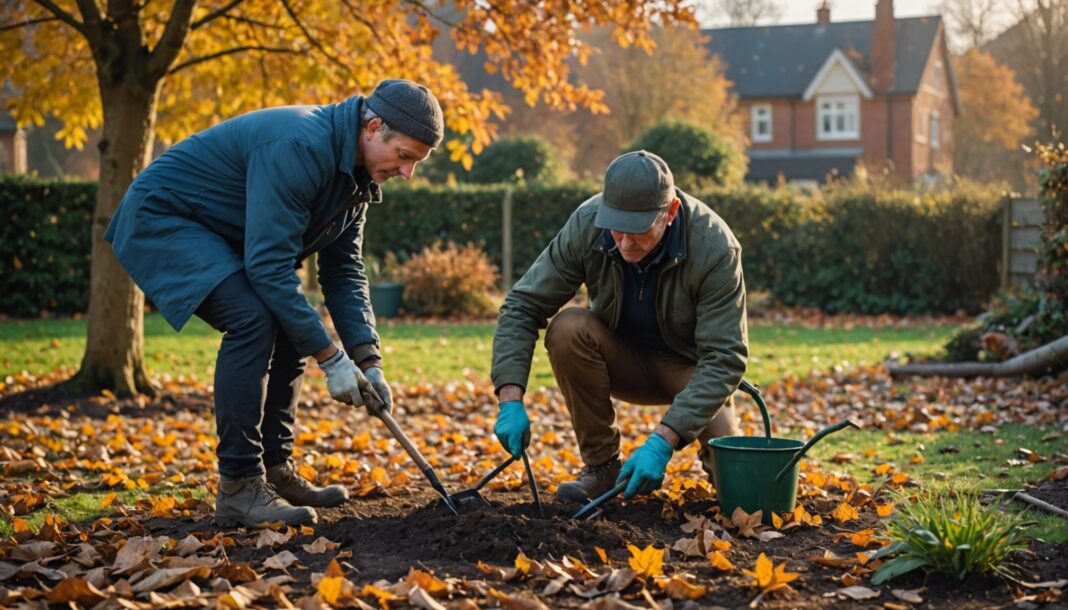
The saying comes back around every fall on social media and at garden centers: “on St. Catherine's Day, all wood takes root.” After November 25, many people in France still wonder about the right time to plant trees in November. Is it just a popular myth, or sound horticultural advice? Garden experts agree: behind this somewhat magical phrase lies a real botanical logic.
A Saying Rooted in a Real Soil Phenomenon
By late November, the air cools noticeably while the soil, for its part, is still warm from the preceding months. It's this gap that makes the period so valuable: roots keep developing without the plant being called on to produce leaves or flowers. The tree or shrub thus settles in gently before winter and comes back stronger the following spring. The saying, then, isn't mere superstition: it points to a real window, which in practice runs from late November through early spring, as long as the soil is neither frozen nor waterlogged.
What to Plant During This Period
This season is especially well suited to bare-root plants, which are cheaper and easier to establish than potted ones:
- Fruit trees: apple, pear, plum, and cherry trees (can be planted from November to February);
- Small fruits: raspberry and currant bushes, until March;
- Bare-root ornamental shrubs: hydrangeas, forsythias;
- Country hedges: hornbeams and beeches;
- Bare-root roses.
Fans of smart gardening confirm this too: planting-tracker apps recommend this window for scheduling the next round of spring watering.
The Right Steps for a Successful Planting
A few simple rules will help you avoid most common mistakes:
- Position the root collar at soil level, never buried, to prevent the trunk from rotting;
- Lightly pack the soil around the roots to eliminate air pockets;
- Form a watering basin around the base of the plant;
- Hold off on planting if the soil is frozen or waterlogged, and wait for milder weather.
Before getting started, it's also worth checking that the chosen species isn't on the list of invasive plants banned from planting, which are increasingly regulated under local rules.
Tools Matter Too
Spade, planting trowel, pruning shears: the quality of your tools has a direct impact on how well a late-season planting turns out. Recent inspections by the DGCCRF (the French consumer protection and fraud control agency) covering home-improvement and gardening equipment have, in fact, highlighted that a poorly designed or poorly sharpened tool can damage bare roots and make it harder for the tree to take hold. A trip to a reliable home-improvement section is therefore worthwhile before you begin.
Frequently Asked Questions
Do you absolutely have to plant on November 25, St. Catherine's Day itself?
No: there's nothing magical about that exact date. The saying refers to a favorable period, which actually runs from late November to early spring, as long as the soil remains workable.
Can you still plant a fruit tree in December or January?
Yes. Bare-root fruit trees can be planted throughout the winter, as long as the ground is neither frozen nor waterlogged.
Why are bare-root trees cheaper than potted ones?
They're sold outside the growing season, without soil or a container, and don't require watering at the nursery during winter—so production costs are lower.
Sources
Profil de l'auteur
Derniers articles
 Garden, Terrace & Swimming Pool26 November 2026St. Catherine's Day: Planting Trees in November—Myth or Smart Move?
- Weddings & Special Occasions25 November 2026Wedding Dresses: Sequins and Rhinestones Make a Big Comeback
- Retirement & Senior Living24 November 2026Mothers' Retirement: What the New 2026 Pension Calculation Changes
- Home Appliances & Equipment24 November 2026Appliance Repair Bonus: The Little-Known Boost to Fix Rather Than Toss



Trending now on legal streaming
FilmThe Hunger Games: The Ballad of Songbirds & Snakes
SeriesVisionQuest
This article was written with the help of artificial intelligence. Editorial policy
Table of Contents

