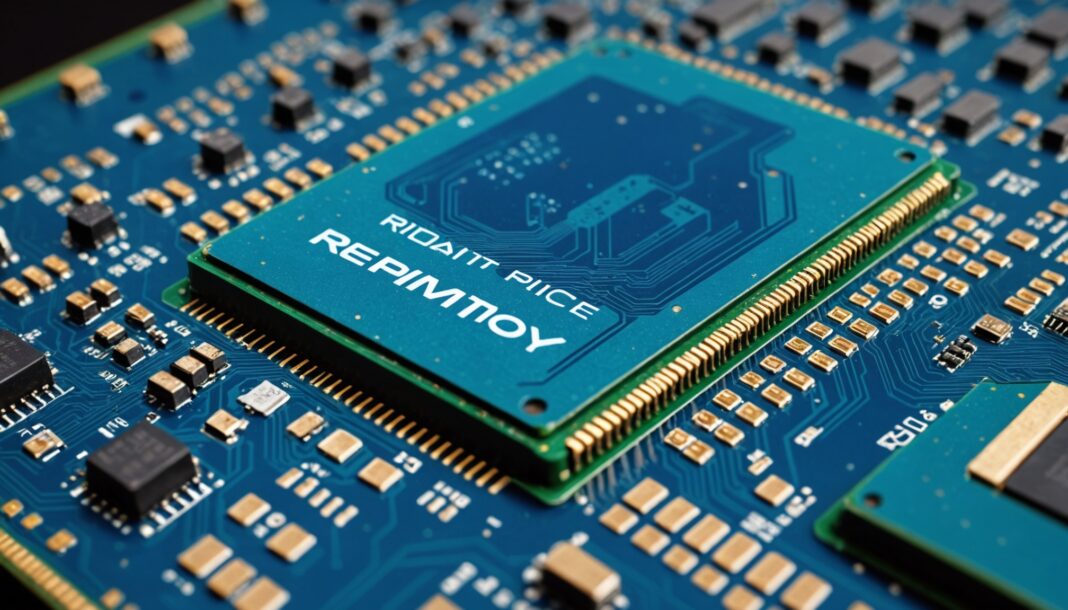
Buying a computer, a smartphone or a console will cost more in the coming months. The reason : a global memory shortage (RAM and NAND) that has been worsening since the start of 2026, and which several analysts do not expect to ease before 2028, or even 2029 for a return to normal prices.
Price increases already spectacular
According to analysts at Jefferies Equity Research, the price of DRAM memory has already jumped by more than 50 % since the beginning of 2026. The trend is not expected to reverse soon : the same firm anticipates another increase of 40 to 50 % in the third quarter, then an additional 30 to 40 % in the fourth quarter. On the NAND chip side, used notably in SSDs, contracts are also expected to rise by 10 to 15 % over the same period.
These increases directly affect consumers : every electronic component that includes memory — laptops, smartphones, game consoles, connected devices — mechanically passes part of this extra cost onto its final sale price.
Why the shortage will last until 2028
The main cause of this crisis : data centers dedicated to artificial intelligence are absorbing an increasing share of global DRAM production, while manufacturers are redirecting part of their factories toward HBM memory, specifically designed for AI chips, to the detriment of the conventional memory intended for the general public.
The three main global manufacturers, Samsung, SK Hynix and Micron, are nevertheless investing in new production capacities, but these projects take time. Micron's new gigafactory, whose construction began on July 8, 2026 with a budget of $9.3 billion, is not expected to start production until the third quarter of 2028. SK Hynix's M15X site aims for initial use in mid-2027, while Samsung's P5 megasite is not expected to enter mass production until late 2028. According to UBS analysts, the global DRAM market should remain undersupplied at least until the second quarter of 2028.
What this concretely means for consumers
Concretely, it's better to anticipate purchases if a hardware refresh is planned in the coming months : a laptop, an SSD, or even certain high-end smartphone models are likely to see their prices gradually increase rather than decrease, contrary to the usual trend observed in consumer electronics.
- Prices for PCs and computer components are expected to continue rising until 2027-2028
- High-capacity SSDs and USB drives are particularly affected
- Consoles and connected devices that include memory are not spared
- A return to stable prices is not expected before 2028, possibly 2029
Find other analyses in our sections Geek & Multimedia, High Tech, AI & Software and E-commerce, Shopping & Store.
Frequently asked questions
Why is RAM becoming more expensive in 2026?
Explosive demand from data centers for artificial intelligence is absorbing an increasing share of global memory production, while manufacturers are redirecting part of their factories toward HBM memory intended for AI chips, which reduces the supply available to the general public.
When will memory prices return to normal?
According to UBS analysts, the DRAM market should remain undersupplied at least until the second quarter of 2028, with a return to truly stable prices more likely in 2028-2029.
Which everyday products are affected by this shortage?
All devices containing RAM or NAND memory are affected : laptops and desktop computers, SSDs, smartphones, game consoles, as well as some connected devices.
Sources
Profil de l'auteur

Derniers articles
 Dog, Cat & Animals9 October 2026Fireworks and pets: how to get your dog or cat through Bonfire Night
- Business & Startups28 September 2026Side hustle or newly self-employed? Why 5 October matters to HMRC
- Development, Digital Marketing & SEO29 August 2026SEO : Google suspends its sanctions against the SEO parasite in Europe
- Weddings & Special Occasions29 August 2026Destination wedding: why French couples stay at home




This article was written with the help of artificial intelligence. Editorial policy
Table of Contents