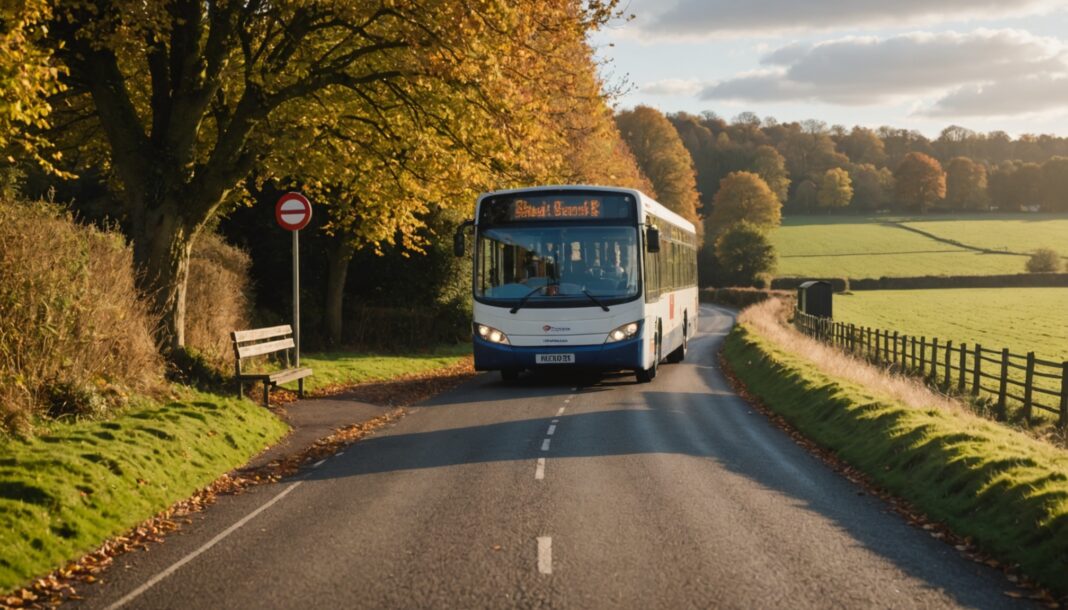
Bus travel is about to get cheaper for millions of people outside the capital. From 1 January, the national cap on single bus fares in England outside London will fall from £3 to £2, and it will stay at that level until 31 December. The change was set out by transport minister Lord Hendy on 22 July 2026 and is backed by £400 million of extra government funding, reprioritised from the Department for Energy Security and Net Zero's budget.
Nothing has changed yet: the £3 cap still applies to journeys taken today. But if you use the bus to get to work, to college or to a hospital appointment, it is worth knowing now what the lower cap will and will not cover, because the detail decides whether you actually see the saving.
What the lower cap will do
The scheme works by limiting the price of an eligible single fare on a participating service to £2. Operators take part in the scheme rather than being forced into it, and the government then funds the gap between the capped fare and what the operator would otherwise have charged.
The Department for Transport says passengers “could save up to a third off a single journey”. That headline figure hides a lot of variation, and the variation is the point. On a short hop around a town where the full single already costs £2.20, the cap will barely register. On a long rural or coastal route where a single can run well into double figures, it will be the difference between taking the bus and not going at all. That is why ministers have pitched the measure at rural and coastal communities, where fares per mile tend to be highest and alternatives thinnest.
Who it will cover, and who it will not
Three limits matter.
- It is England outside London only. Transport for London sets fares in the capital, where a single bus fare already sits below the cap, so London passengers are outside the scheme. Transport is devolved, so Scotland, Wales and Northern Ireland each set their own fare arrangements.
- It caps singles, not day or weekly tickets. If you make two or more journeys a day, a day ticket or a multi-journey pass may still work out cheaper than two capped singles. Do the sum for your own route rather than assuming the cap is automatically the best deal — the same habit that saves money on a mobile contract you have stopped reviewing.
- Participating services only. Most local operators have taken part in previous rounds, but long-distance coach services and some specialist routes have not. Check the operator's website or the notice at the stop if you are unsure.
What happened the last time fares were capped at £2
England has run this experiment before, and it was independently evaluated for the Department for Transport by Frontier Economics and SYSTRA. Looking at the first ten months of the original scheme, from January to October 2023, the researchers attributed roughly 5 percentage points of the 13% year-on-year rise in passenger numbers outside London to the cap itself, with the rest down to the wider recovery in travel.
On household budgets, between 67% and 73% of people who had previously travelled another way said the cap had cut their travel costs, and about a third of those surveyed felt it had made a positive difference to their cost of living. The evaluators were blunter about the public finances: the value for money of the scheme was, in their words, challenging to assess.
That is a fair summary of what a fare cap is and is not. It is a reliable, immediate reduction in the price of a journey. It is not, on its own, a fix for a route that only runs twice a day. The numbers behind the monthly mood check on household finances have been weak enough for long enough that any guaranteed saving on a weekly essential counts.
How to get the most out of it
A short check-list for the new year:
- Work out your weekly bus spend at £3 a single, then at £2. If the gap is meaningful, that is money you can redirect — to a bill you pay monthly with interest baked in, for instance, as happens with insurance paid in instalments.
- Compare the capped single against your operator's day ticket, weekly pass and any young person's or jobseeker's discount. Caps and concessions can sometimes be combined, sometimes not.
- If a longer journey becomes affordable, reconsider trips you had written off — a hospital appointment at the county town, a job interview two villages over, a day out instead of a flight with extras bolted on at checkout.
- Keep an eye on the end date. The cap is funded to 31 December, and what follows it has not been announced.
Frequently asked questions
Does the £2 cap apply now?
No. The cap currently in force is £3. The £2 level will apply to journeys made from 1 January until 31 December, on participating services in England outside London.
Will my return journey cost £4?
The cap applies to eligible single fares, so two capped singles would cost £4. Many operators price returns, day tickets and passes separately, and those are not capped — so compare before you buy.
Why is London excluded?
Fares in London are set by Transport for London rather than by individual operators, and the single bus fare there is already below the capped level, so the national scheme does not apply.
Sources
- Department for Transport — £2 bus fares from January 2027
- routeone — Bus fare cap reaped 5% patronage rise: DfT report
- Campaign for Better Transport — calls for a boost for public transport passengers
Profil de l'auteur
Derniers articles
 Home Appliances & Equipment13 November 2026Product recalls: how to check whether something in your home has been pulled
- Moving & Transport4 November 2026The £2 bus fare cap returns: what it will mean for passengers
- Everyday Life & Society23 October 2026Subscription traps: the new rules that will make cancelling easier
- Smartphones & Mobile Phones14 October 2026The loyalty penalty on your mobile bill: why staying put costs you more




Trending now on legal streaming
FilmGodzilla Minus One
SeriesLupin
This article was written with the help of artificial intelligence. Editorial policy
Table of Contents