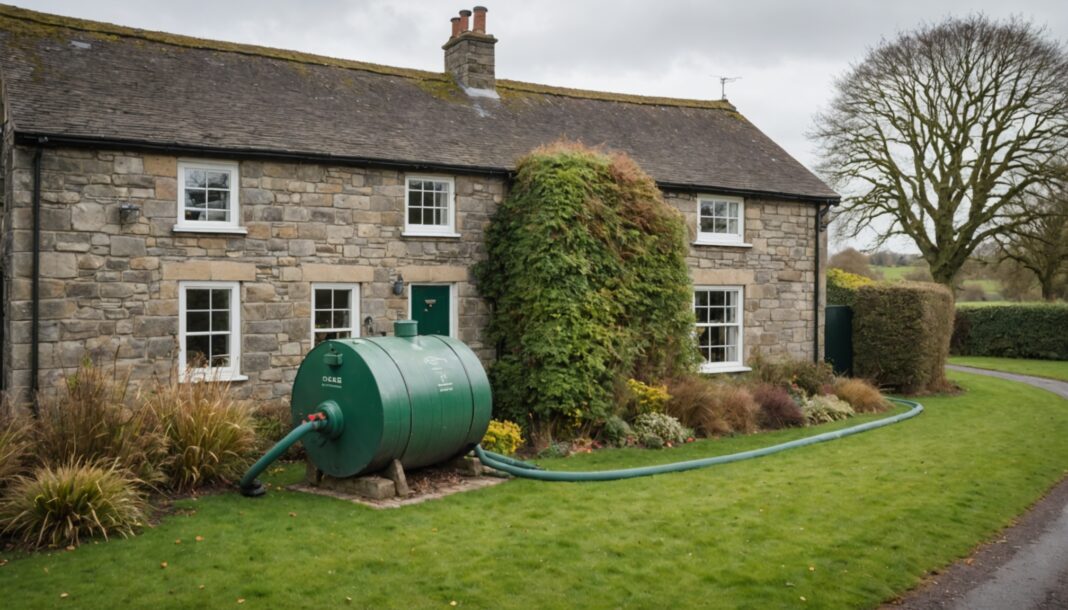
About 1.5 million households across the UK heat their homes with heating oil, and until now they have bought it in a market with no energy regulator standing behind them. That is about to change. On 13 October 2026, the Department for Energy Security and Net Zero told Parliament it would accept the Competition and Markets Authority's recommendation to bring the heating oil market into regulation for the first time.
Nothing has changed on the doorstep yet. The announcement is a commitment to act, not a rule already in force, and no date has been attached to the main measures. But it tells oil-heated homes what protections are coming, and what still will not be covered.
What the competition watchdog found
The CMA published its heating oil market study on 15 July 2026, after months of complaints from rural and off-grid communities. Its conclusion was blunt: oil customers sit outside most of the safeguards that gas and electricity customers take for granted.
- Weaker rights when things go wrong — late deliveries, short measures or a supplier failing mid-winter.
- Limited access to redress and dispute resolution compared with mains energy customers.
- Less price transparency, making it hard to tell whether a quote is competitive on the day you ring round.
- Less support for vulnerable households, including older people and those living alone in hard-to-heat homes.
That last point matters because oil heating and poor insulation often go together. Renters in those homes are already affected by a separate shake-up: see our explainer on the EPC C standard coming to the private rented sector.
What the government has agreed to do
In the short term, ministers said protection will come through a strengthened code of conduct for suppliers rather than new legislation. The government will also work with Ofgem, industry bodies and consumer groups to improve existing codes of practice, push customers towards dispute resolution routes that already exist, and raise awareness of the support available.
One industry practice is being singled out for review: the minimum order volume of 500 litres that some suppliers impose. For a household on a tight budget, being told it cannot buy 200 litres to get through a cold fortnight is a real barrier — and it pushes people towards the smallest, most expensive orders rather than away from them.
The one thing that is not coming: a price cap
The October plan contains no price cap for heating oil. Kerosene will stay outside the Ofgem cap that covers mains gas and electricity, so the price you pay will continue to follow the oil market and your supplier's quote on the day.
Order size still drives the unit price. Industry price trackers put the national average at roughly 113p a litre including VAT for a 1,000-litre order in early November, against about 119p a litre for a 500-litre drop — the smaller the order, the more each litre costs. That pattern is the opposite of the protection a cap would give, and it is the strongest argument for planning deliveries rather than waiting for the tank to run dry.
Where oil heating is concentrated
Oil is a rural and off-grid story, and it is far from evenly spread. Around 4.8 million households in Great Britain — 16.0% of domestic properties in 2024 — are off the mains gas grid altogether. In Northern Ireland the picture is reversed: only about 24% of households use mains gas, while roughly 67% rely on heating oil. Any change to the oil market therefore lands hardest there.
What oil-heated homes can do this winter
- Order before you are desperate. An emergency delivery on the coldest week of the year is the worst moment to negotiate.
- Ring more than one supplier and compare the price for the same volume, not for different drop sizes.
- Ask about an oil club or buying group in your area; bulk orders placed together usually beat a single household's quote.
- Keep the paperwork. Delivery notes and quotes are what any complaint or redress claim will rest on.
- Check your tank, gauge and filter before the first hard frost — a leak found in October costs far less than one found in January.
Off-grid homes have been on the wrong end of this kind of gap before. Those who still depend on an old copper line face a similar transition with the landline switch-off, and anyone spreading a bill over twelve months should know what that convenience costs, as we showed with monthly insurance payments.
Frequently asked questions
Is heating oil regulated now?
No. The government accepted the CMA's recommendation on 13 October 2026, so regulation is coming, but it is not yet in place. The first step will be a strengthened code of conduct for suppliers.
Will my heating oil be covered by the Ofgem price cap?
No. The plan announced in October does not include a price cap, and heating oil stays outside the Ofgem cap that applies to mains gas and electricity.
Can I still be forced to order 500 litres at a time?
For now, yes — minimum order volumes are a supplier practice, not a legal requirement. The government said that practice will be reviewed, which could change what suppliers may insist on. Rules on cancelling and renewing contracts are tightening elsewhere too, as our piece on subscription traps explains.
Sources
- Hansard — CMA Heating Oil Market Study: Government Response, 13 October 2026
- Energy Live News — more protection for heating oil customers
- House of Commons Library — households off the gas grid
Profil de l'auteur
Derniers articles
 Tech & Multimedia16 November 2026New 6 GHz Wi-Fi Rules: What They Mean for Your Router
- Electricity, Gas & Energy6 November 2026Heating oil is set to be regulated: what it will mean for off-grid homes
- Real Estate, Sales, Purchases & Rentals26 October 2026EPC C for rented homes: what the new energy rules will mean
- Ecology & Environment16 October 2026Plastic wet wipes are being banned: what it means for your shopping basket




Trending now on legal streaming
FilmGodzilla Minus One
SeriesCat's Eyes
This article was written with the help of artificial intelligence. Editorial policy
Table of Contents