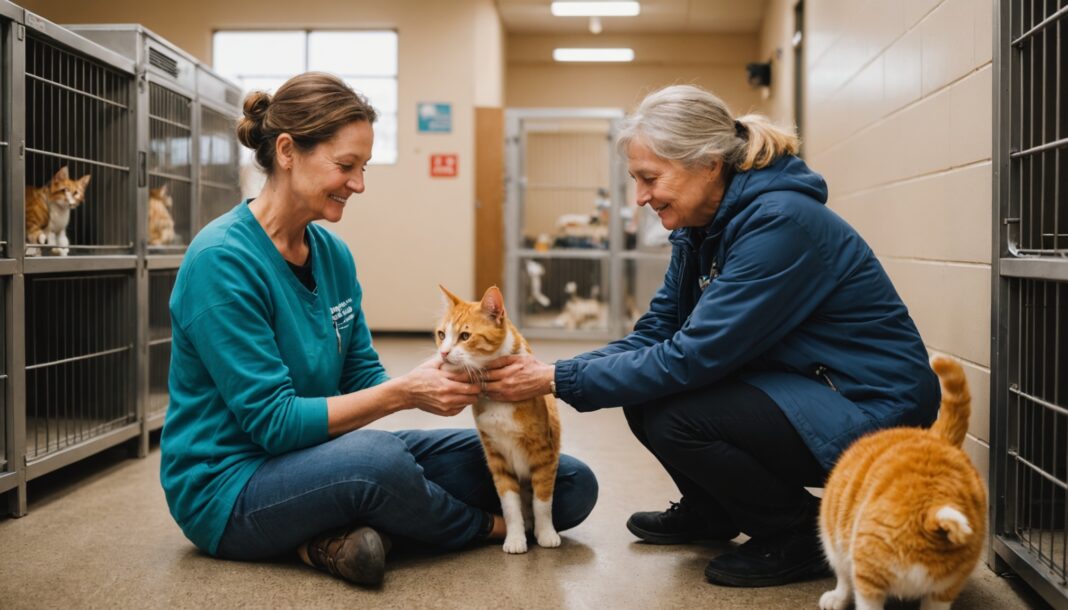
Adopting a cat or dog seems like a simple decision today. The reality, backed by the numbers, is more complicated: France's animal shelters are buckling under the influx of animals and must turn away thousands of them for lack of space. A national study conducted by the SPA (La Société Protectrice des Animaux, France's leading animal welfare association), in partnership with the Affinity Foundation, paints a worrying picture that is concretely changing things for anyone looking to adopt a cat or dog this fall.
Shelters on the Brink
According to this second edition of the national study, published in September 2026, 391,000 animals were taken in by animal welfare associations and shelters in 2025. Of that total, 280,000 were cats (72 percent) and 111,000 were dogs (28 percent). This shift confirms a deeper trend: cats, which have already become France's top companion animal with 16.6 million individuals compared to 9.7 million dogs, are also the ones putting the most strain on shelter capacity.
Even more striking: more than 84,000 dogs and cats had to be turned away in 2025 because shelters were simply full. Half of the cats taken in are kittens under six months old, a sign of uncontrolled breeding that fuels the phenomenon year after year. Abandonment peaks typically occur in spring and summer, but their effects linger well into the fall.
Why the Situation Is Getting Worse
Several factors are compounding the problem. The end of pet sales in pet stores has automatically redirected part of adoption demand toward shelters and licensed breeders, without shelter capacity keeping pace. The new national identification registry does allow for better tracking of animals, but on its own it doesn't reduce the number of abandonments. Finally, the growing number of households taking in a cat, often seen as more compatible with city living, partly explains the overrepresentation of cats in these facilities.
- A steady rise in uncontrolled births among stray and domestic cats
- Shelters whose capacity has not grown at the same pace as incoming animals
- A shift of adoptions toward associations since the ban on pet store sales
- Abandonments concentrated in just a few months, creating peaks that are hard to absorb
What This Means for Future Adopters
In practical terms, wanting to adopt no longer guarantees immediate access to the animal you want: some shelters now have waiting lists, especially for healthy puppies and kittens. Associations are increasingly steering applicants toward adult or senior animals, which statistically see less demand but are just as adaptable. For adopters, planning ahead becomes essential: contact several shelters, stay flexible about age or breed, and budget for veterinary costs from the very first weeks, particularly for identification and spaying or neutering, which are often included in the adoption fee.
On the public policy side, stricter requirements for breeders and professional facilities are specifically aimed at curbing unwanted births at the source. But as long as shelter capacity doesn't keep up with demand, overcrowding will remain a point of concern for the daily life of households considering taking in an animal.
Frequently Asked Questions
Why are there more cats than dogs in shelters?
Cats breed more easily in both urban and rural settings, and a large share of shelter arrivals consists of kittens born from unmanaged litters. They accounted for 72 percent of the animals taken in in 2025, compared to 28 percent for dogs.
Should you avoid adopting an animal right now, given the overcrowding?
No, quite the opposite: shelters need new families more than ever. That said, it's advisable to contact several shelters, stay flexible about the animal's age, and expect some delay before you can bring home the animal of your choice.
What costs should you expect when adopting from a shelter?
Beyond the fee requested by the association, you should generally budget for identification (if not already done), spaying or neutering, and an initial veterinary checkup, which are often partly included in the adoption fee depending on the shelter.
Sources
Profil de l'auteur
Derniers articles
 DIY & Troubleshooting18 November 2026Dexter Sander Recall 2026: What Leroy Merlin and Weldom Customers Need to Know Before Using It
- Restaurants, Drinks & Food18 November 2026Flexitarianism in France: Less Meat on the Plate, but Not for the Reasons You'd Think
- Home Appliances & Equipment18 November 2026Washing Machine, Oven, Dishwasher: Which Brand to Choose for Appliances That Last?
- Nutrition, Diet & Weight Loss18 November 2026Pancreatic Fat: The Diet That May Help Reduce It




Trending now on legal streaming
FilmObsession
SeriesSlow Horses
This article was written with the help of artificial intelligence. Editorial policy
Table of Contents