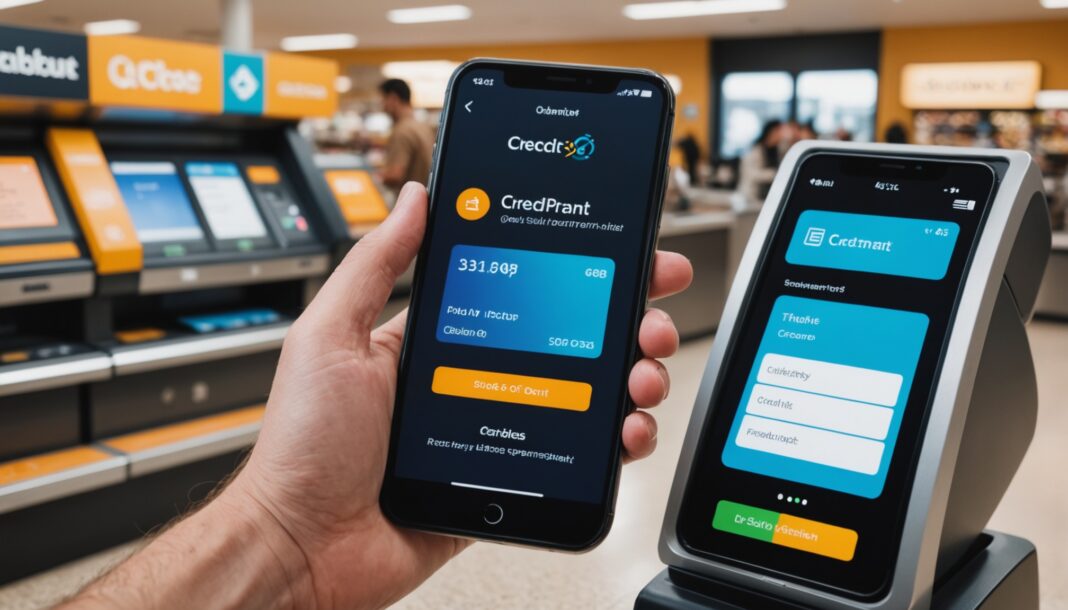
With Black Friday just days away, France's DGCCRF (the French consumer protection agency) decided not to wait for the sales to sound the alarm. In a notice issued on November 6, 2026, the agency is asking consumers to clearly distinguish between three options sold under the same appealing label of “paying in installments.” The timing could not be more fitting: a reform of consumer credit law takes effect on November 20, 2026, just one week before Black Friday on November 27.
This timing is no coincidence. The European directive on consumer credit, known as CCD2, brings split payment plans within the scope of standard consumer credit law. Until now, some of these offers escaped the enhanced disclosure requirements that apply to an ordinary bank loan.
Three Types of Credit, One “Pay in 4” Button
On a retailer's checkout page, consumers rarely see the difference. Yet the DGCCRF distinguishes three legally separate mechanisms:
- Linked credit, tied to the purchase of a specific item, repayable over several months with interest disclosed at the time of order.
- Short-term split payment (3 or 4 closely spaced installments), often marketed as free but which still counts as credit under the law as of November 20, 2026.
- Revolving credit, a line of money that replenishes with each repayment and whose cost can climb if the balance is never brought back to zero.
This distinction is more than a matter of vocabulary: it determines the information the lender must display before the customer clicks “confirm.” Our article on the European consumer credit reform details the origin of this law and its complete timeline.
What the November 20, 2026 Deadline Actually Changes
Starting on this date, contracts signed will include several new safeguards. Lenders must provide more complete precontractual information about the total cost of the credit, the length of the commitment, and the consequences of a late payment. They are also encouraged to check the FICP (France's national register of credit repayment defaults) before granting certain split payment plans, something that was not systematic until now.
Another notable change: consumers now have 30 calendar days to withdraw from a contract, with no justification required, for agreements falling within the scope of the reform. This window reflects a broader trend in online consumer law, already visible in the requirement for merchant websites to display a clear withdrawal button, described in our report on the mandatory withdrawal button.
One point needs to be made precisely, though: this new regime applies only to contracts signed from November 20, 2026 onward. Split payment plans taken out before that date remain subject to the earlier rules of the French Consumer Code, a detail that many shoppers rushing through Black Friday may well overlook.
The Habit to Keep Before Clicking “Pay in Installments”
For our law and justice section, three simple checks can help avoid unpleasant surprises: read the annual percentage rate even on a payment advertised as “fee-free,” check whether the offer is actually a revolving credit line that replenishes automatically, and compare the real cost against a standard one-time payment. This last point ties into a question we had already explored in our banking and finance coverage, particularly regarding the hidden fees that sometimes get added to a revolving credit line without the customer anticipating them.
This vigilance also applies to brokers and intermediaries, who are now subject to stricter advisory obligations on these products, as several banking law practitioners pointed out in the weeks leading up to the law's entry into force.
Frequently Asked Questions
Is fee-free 4-installment payment a credit like any other?
As of November 20, 2026, yes in most cases: the CCD2 directive brings these short-term plans within the scope of consumer credit law, along with the disclosure obligations that come with it, even when no interest is charged.
Can I withdraw after confirming a split payment during Black Friday?
For contracts signed from November 20, 2026 onward that fall within the scope of the reform, a 30-calendar-day withdrawal period applies, with no justification required.
What should you check before accepting a revolving credit offer at checkout?
The real cost over time, how quickly the credit line replenishes after each repayment, and whether any setup or management fees are added on top of the advertised rate.
Sources
- French Government — Black Friday: Pitfalls to Avoid
- Maître Reda Kohen — The November 20, 2026 Reform on Split Payments
- Léo Lagrange Association for Consumer Protection
Profil de l'auteur
Derniers articles
 DIY & Troubleshooting18 November 2026Dexter Sander Recall 2026: What Leroy Merlin and Weldom Customers Need to Know Before Using It
- Restaurants, Drinks & Food18 November 2026Flexitarianism in France: Less Meat on the Plate, but Not for the Reasons You'd Think
- Home Appliances & Equipment18 November 2026Washing Machine, Oven, Dishwasher: Which Brand to Choose for Appliances That Last?
- Nutrition, Diet & Weight Loss18 November 2026Pancreatic Fat: The Diet That May Help Reduce It




Trending now on legal streaming
FilmThe Hunger Games
SeriesCarrie
This article was written with the help of artificial intelligence. Editorial policy
Table of Contents