
In short: Chronic stress paralyzes millions of people, but a simple and accessible solution exists. Physical activity acts as a true natural antidepressant by releasing endorphins, serotonin and dopamine. Yoga, running, walking in nature or swimming: each discipline offers its key to regaining emotional balance. Consistency matters more than intensity. Even fifteen minutes are enough to transform your relationship with stress and build lasting resilience.
🧠 Understanding chronic stress and its silent ravages
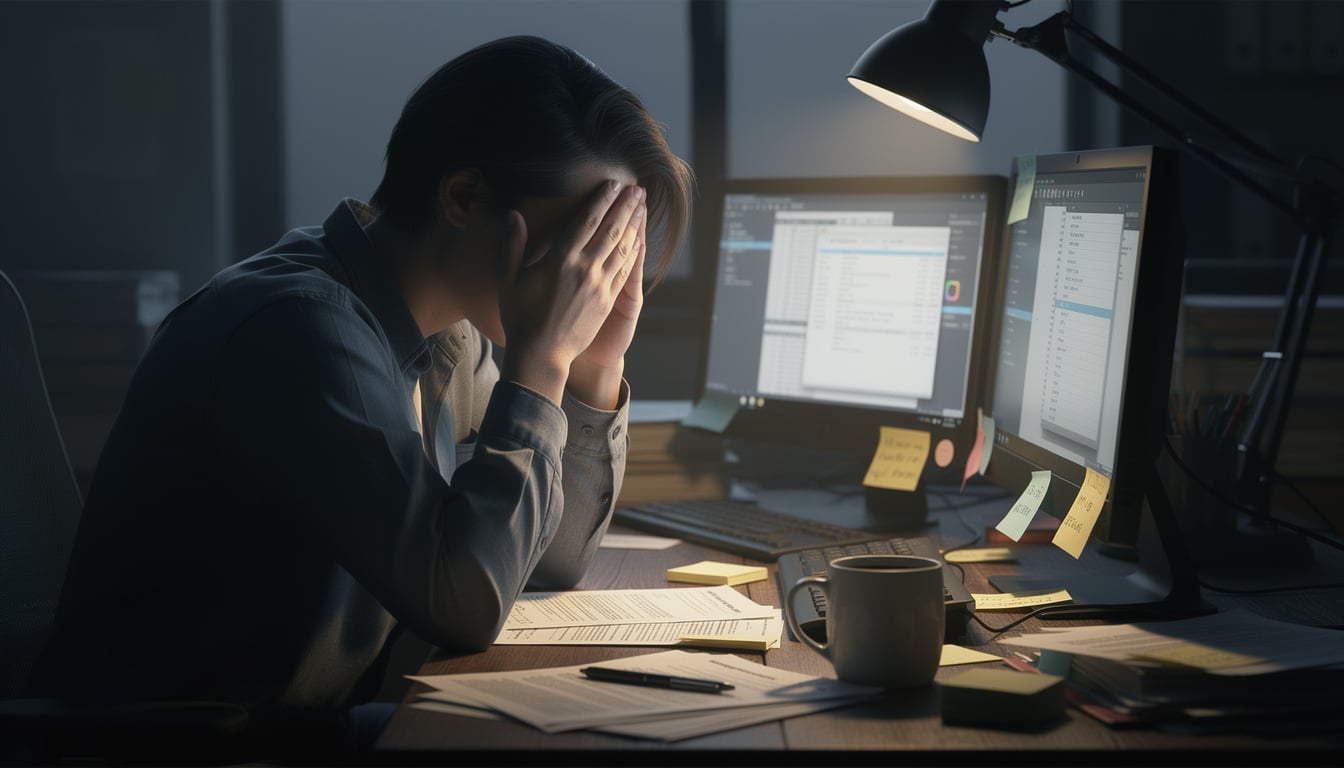
Stress is not just an unpleasant sensation that disappears in the evening. When it becomes chronic, it settles in like an unwelcome tenant, progressively altering our physical and mental health. Racing thoughts, that persistent knot in the stomach, insomnia that eats away at nights: these are the hallmarks of stress that lingers.
Like a book whose pages slowly wrinkle over time, our body becomes more fragile under prolonged tension. Cortisol, that stress hormone, keeps circulating in excess, gradually depleting our energy reserves and weakening our immune system. Understanding how exercise acts on stress then becomes a first step toward release.
The brain itself changes: the hippocampus, a key region for memory, atrophies in people subjected to prolonged stress. Neural connections weaken, making emotion regulation more difficult. It is at this precise moment that physical activity becomes not only useful, but truly saving.
🏃 Sport, a biochemical mechanism against chronic stress
When we move, the body triggers a cascade of remarkable chemical changes. Endorphins, those famous feel-good hormones, flood the nervous system and create a natural sense of euphoria. This is not a poetic metaphor: it is pure biochemistry.
A thirty-minute session is enough to significantly change your mental state. Levels of serotonin and dopamine, those neurotransmitters essential to emotional balance, increase measurably. For those familiar with the meticulous world of bookbinding, where every gesture matters and transforms the material, one can see sport as a tool that delicately reorganizes the connections in our brain.
Cortisol, that stress hormone, gradually decreases with regular practice. Contrary to the expectation of an immediate result, it is gentle consistency that produces the deepest transformations. Three weekly sessions of twenty minutes already change your relationship to stress.
🧘 Gentle practices: accessibility and effectiveness
Some days, energy is sorely lacking. The idea of running a kilometer seems insurmountable. It is precisely at these moments that gentle practices become valuable. Yoga and moving meditation soothe the mind without exhausting the body. Slow postures, controlled breathing, attention paid to every sensation: all of this calms the nervous system in a few breaths.
Meditative walking in nature has an almost magical quality. Ninety minutes in a natural environment significantly reduce brain activity linked to rumination. It's as if the mind, too absorbed by the textures of the trees and ambient sounds, abandons its negative loops.
Tai chi and qigong, those ancient energy arts, offer a path to emotional balance. Their fluid movements lower cortisol levels and improve sleep quality. Each precise gesture anchors the body in the present moment, pushing anxious thoughts away.
Swimming, meanwhile, creates a unique therapeutic environment. Simulated weightlessness releases accumulated muscular tension. The resistance of the water provides significant physical effort without traumatic impact on the joints. Discover the most effective sports against stress and anxiety to choose the one that truly matches your emotional state.
💨 Running: endorphin release and transformation of the mind
For those seeking a more powerful effect, running offers an incomparable release. The runner's high is not an urban legend: it is a neurobiological phenomenon that causes natural euphoria. Endocannabinoids, released during sustained effort, create an intense sense of well-being.
Aerobic effort also stimulates massive endorphin production. Thirty minutes of moderate running are enough to feel this natural antidepressant effect. Unlike medications, which take weeks to act, this transformation arrives almost immediately.
What makes running particularly beneficial against chronic stress is its effect on mental perspective. While running, problems that once seemed insurmountable suddenly take on a different dimension. They seem less threatening, more solvable. It's as if rhythmic movement also freed the mind from its chains.
No marathon needed: start with fifteen minutes at a pace where you can still talk. This gradual approach creates a positive relationship with the activity, far more effective than an exhausting session right away.
🤝 The importance of social connection in stress management
Team sports, often underestimated, combine physical exercise and human connection. Volleyball, basketball, badminton: these team activities transcend the purely physiological dimension. They reconnect you to others, creating a sense of belonging essential to emotional balance.
During a game with friends, you are not running alone against your anxious thoughts. Teammates' encouragement, camaraderie, shared challenges strengthen self-esteem, often fragile during periods of stress or depression. Human interaction becomes an antidote to mental isolation.
This social dimension affects the brain differently than solitary exercise. It activates regions linked to reward and connection, amplifying the benefits for mental health. Even a simple game of ping-pong offers much more than exercise: it's an embodied form of therapy.
⏰ Building a sustainable routine without pressure
The common mistake is wanting to transform your life overnight. Starting with five minutes is enough. A few stretches after waking, a short walk during a break, flowing movements before bed. These micro-habits bypass resistance to change, often insurmountable during periods of intense stress.
Adaptability matters more than perfection. On high-energy days, opt for dynamic yoga or a jog. On tougher days, a contemplative walk suffices. This flexibility increases long-term consistency far more effectively than imposed strictness.
Progression should remain minimal: increasing by ten percent each week creates a balance between challenge and accessibility. Celebrate each small victory, each moment when you managed to move despite fatigue; you are building the confidence that becomes the foundation of a durable practice.
Also listen to your body's subtle signals. A higher resting heart rate or persistent soreness signals overtraining. In those cases, reduce intensity rather than abandon completely. Gentle regularity always outperforms sporadic intensity.
🎯 Adapting your activity to your emotional energy of the day
Chronic stress is never constant: it fluctuates by day, events, and external influences. Your training should reflect this reality. Some mornings you feel capable of conquering the world; others, getting out of bed is already a victory.
Creating a “palette of activities” at varying intensities allows adjustment without guilt. Restorative yoga for days of deep depression, brisk walking for days of moderate stress, intense running for days of overflowing energy. This nuanced approach keeps movement ongoing without guilt over temporary relapses.
The best times to train also vary from person to person. Some find that moving in the evening relieves accumulated stress; others prefer to start the day with a morning session to face the hours ahead more calmly. A brief intense session at noon can also transform the entire afternoon.
The essential thing: listen to yourself rather than follow a rigid plan. This kindness toward your own state creates a positive relationship with activity, turning exercise into a moment of care rather than an obligation that causes stress.
📊 When sport truly soothes: timing and intensity
Not all forms of exercise create the same effect. Low-intensity endurance training, ideally outdoors, effectively reduces chronic stress. It improves blood circulation, relaxes muscles and lowers cortisol levels in a lasting way.
High-intensity interval training (HIIT) has a different but equally powerful effect. These short intense sessions trigger a massive release of endorphins and quickly improve sleep quality. However, the body requires more recovery after this type of effort.
Ten to twenty minutes of adapted activity suffice if the intensity matches your condition. Five kilometers are a challenge for some; for others, it's barely a warm-up. What matters is listening to your body rather than blindly following external standards.
Periods of intense stress require a cautious approach. Favor lighter sessions then and focus on recovery. Once daily life becomes calmer, you can progressively resume more intensive training. This adaptability avoids the trap of overtraining, which turns exercise into an additional source of stress.
🛡️ Recognizing warning signals and maintaining balance
Paradoxically, too much exercise can become counterproductive. A drop in performance, an abnormally high resting heart rate, or persistent muscle pain signal that you are exceeding your limits. In these situations, reducing intensity or changing activity is usually enough to restore balance.
Consulting official recommendations on sport and mental health can help clarify your approach. Proper hydration, nutrition aligned with your energy needs, and gentle joint mobilization before effort complement the effectiveness of your practice.
There is almost never a need to stop training completely except in cases of acute illness or unexplained chest pain. Modifying the activity, for example switching from running to cycling, keeps beneficial movement while resting tired areas.
This philosophy of constant balance reflects ancient wisdom: both complete absence of movement and excess destroy well-being. The middle way—regular, adapted, mindful—creates the most durable transformations in mental health.
🌱 Turning chronic stress into creative strength
Stress is not always an enemy. Stress perceived as a challenge—what researchers call eustress—stimulates capacities and pushes you to surpass yourself. Regular physical activity helps precisely with this transformation: it retrains the brain to see challenges differently.
Every time you overcome your internal resistance to get moving, you build an invisible but real mental resilience. These accumulated micro-transformations gradually change your relationship to difficulties. What once seemed insurmountable becomes manageable, then a stimulating challenge.
This is particularly visible in those who run regularly: the mental clarity that arrives during a session progressively carries over into daily life. Problems that would have created anxiety become puzzles to solve with calm and determination. Discover the full benefits of sport against stress and anxiety shows how well documented this transformation is scientifically.
The act of moving, repeated regularly, becomes a powerful anchor. It tells your mind: “I can act, I can change my situation.” This agency, felt first in the body, gradually radiates through your whole being.
Profil de l'auteur
Derniers articles
 Smartphones & Mobile Phones14 October 2026The loyalty penalty on your mobile bill: why staying put costs you more
- Family, Babies & Children5 October 2026Airline family seating fees: what the planned ban will change for parents
- Everyday Life & Society23 September 2026Consumer confidence index: what the monthly mood check on British households really measures
- Agency, Webmarketing & SEO31 August 2026SEO : a Google bug skews visibility statistics in AI results




Table of Contents