



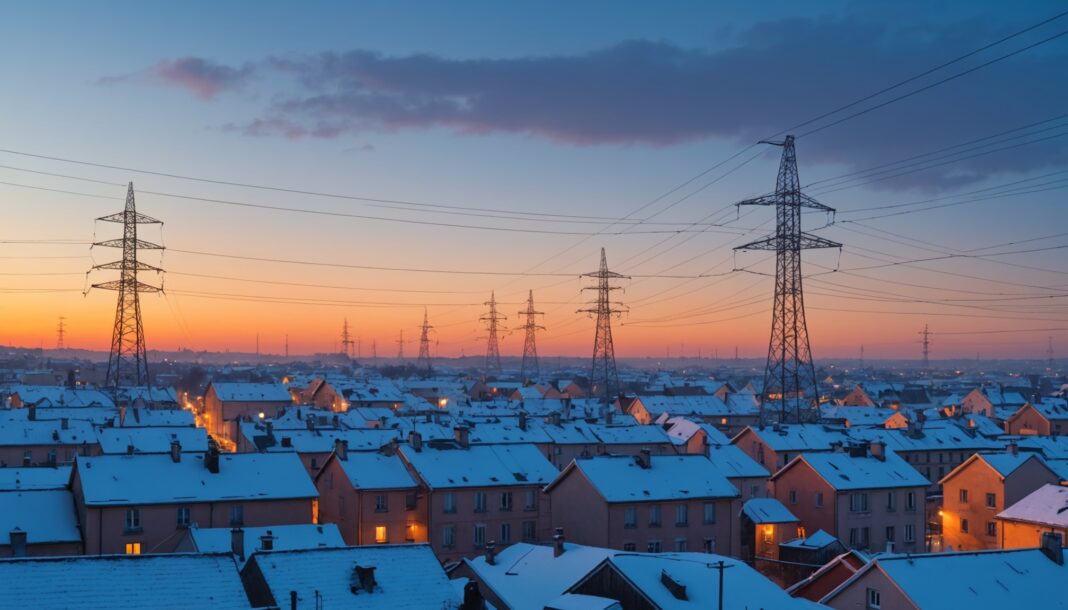
The thermometer isn't the only thing soaring this winter: so is the price of electricity. The first red Tempo day arrived as early as November 26, wholesale prices topped €400/MWh in certain time slots, and a mechanical increase in the regulated tariff is already anticipated for next February. Here's a breakdown of a season that's shaping up to be especially tough on French households' bills.
A Historically Early First Red Tempo Day
For the 900,000 subscribers to EDF's Tempo plan, winter got off to a rough start: November 26 was designated the first red day of the season, the earliest trigger since 2014. The cause: a cold wave combined with weak wind and solar output, which put strain on the power grid managed by RTE (the French grid operator). A second constrained day, this time under the EJP tariff, followed on November 27: during that period, electricity is billed at 2.4 times its usual price during peak hours.
New this season: the Commission de régulation de l'énergie (CRE, France's energy regulator) changed the rules on November 1. Red days must now coincide with the days of highest strain on the grid, December 24 and 31 can no longer be designated as such, and the season's 22 red days must be better spread out between November and March. 21 of them remain to be scheduled before March 31, 2027.
Wholesale Prices Under Pressure
The trend is the same on the wholesale market. On November 27, the average spot price reached €299/MWh, with a peak of €418/MWh in the early morning. A week earlier, a major wind power outage had already pushed prices above €330/MWh. These spikes don't directly affect subscribers to the regulated tariff, but they weigh on market-rate offers and on suppliers' procurement costs—households that, for instance, have had to weigh gas versus electric heating trade-offs are already feeling the effect on their consumption choices.
A Regulated Tariff Increase Already in the Pipeline
Officially, the CRE hasn't proposed anything for February 1, 2027: it must publish its recommendation in mid-January, before ministers make the final call. But several experts, including the consulting firm Colombus Consulting, estimate that the calculation formula for the Tarif Bleu (the regulated electricity tariff) mechanically points to an increase of around 3 to 4% in the spring, tied to the electricity purchases suppliers made throughout the previous year. For a household heated by electricity, that would mean several dozen extra euros a year.
A signal worth taking seriously for households that, by comparing their average bill to that of their département (French administrative region), are already trying to plan ahead for their heating expenses. The site's electricity, gas & energy section is tracking this trend as official announcements come in.
How to Limit the Impact on Your Bill
- Shift energy-intensive uses (washing machine, dishwasher, EV charging) away from peak hours and red or EJP days.
- Check your pricing plan: Tempo or EJP aren't always the most advantageous option depending on your consumption profile.
- Plan ahead for unpaid bills: the winter moratorium on utility shutoffs limits disconnections, but not the buildup of energy debt.
- Regularly compare market-rate offers, some of which remain below the regulated tariff.
More broadly, this sequence is part of the everyday trade-offs households face amid the general rise in fixed expenses.
Frequently Asked Questions
What is a red Tempo day?
It's one of the 22 days per year when EDF bills electricity at the highest rate under the Tempo plan, generally during winter consumption peaks linked to cold weather.
Will the regulated tariff really increase in February 2027?
No official decision has been made yet: the CRE must publish its proposal in mid-January 2027, but several experts anticipate a mechanical increase of 3 to 4% tied to the current calculation method.
How can I find out if a red day or EJP alert has been triggered?
EDF and RTE announce it the day before, usually in the late afternoon, regarding the Tempo calendar colors or the triggering of an EJP alert for the following day.
Sources
Profil de l'auteur
Derniers articles
 Electricity, Gas & Energy29 November 2026Electricity: Why Your Bill Will Be Heavier This Winter
- DIY & Troubleshooting28 November 2026Paying for Your Tools in 3 or 4 Installments: The New Rules You Need to Know
- Ecology & Environment28 November 2026Eco-Tax on Ultra-Fast Fashion: What the New Law Changes
- Smartphones & Mobile Phones28 November 2026Vitale Health Card on Smartphones Becomes a FranceConnect Key to Public Services




Trending now on legal streaming
FilmGodzilla Minus One
SeriesGhosts
This article was written with the help of artificial intelligence. Editorial policy
Table of Contents

